Bedsore Treatment in Nashik
Bedsore Treatment in Nashik for Pressure-Related Wounds
A bedsore is a type of skin and tissue injury that can develop when prolonged pressure is placed on the same area of the body. It is more common in people who have limited mobility and spend extended periods in bed or a chair. Areas such as the heel, hip, back, elbow, ankle, and other pressure points may be affected.
Bedsore treatment in Nashik starts with assessing the affected area, the depth and condition of the wound, and factors that may be contributing to continued pressure or delayed healing. Dr. Dayanand L.M. can evaluate the wound and advise on appropriate care based on the person's condition and mobility.
What Is a Bedsore?
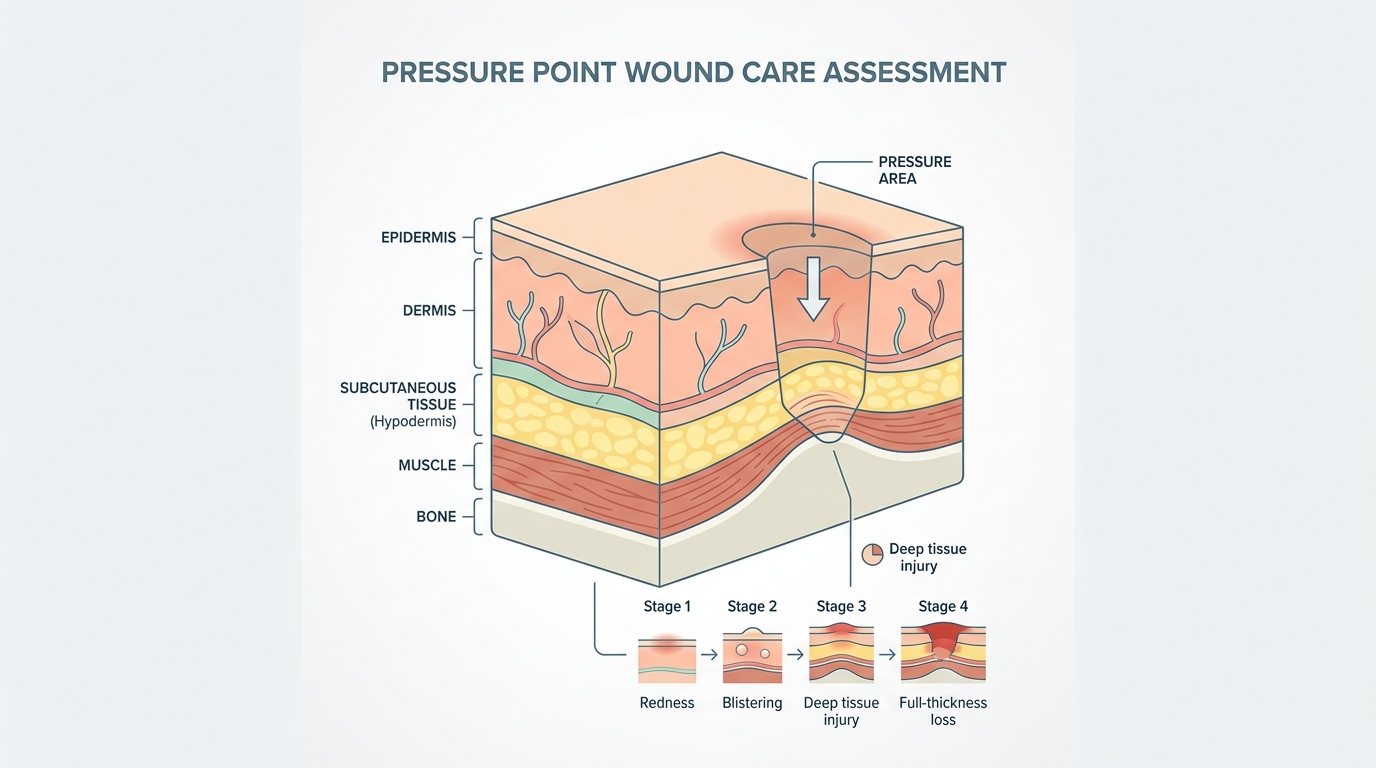
A bedsore, also called a pressure injury, develops when prolonged pressure reduces blood flow to the skin and underlying tissues. Continuous pressure can damage the tissue over time, particularly over areas where bone is close to the skin.
Early pressure-related changes may appear as redness, warmth, tenderness, or a change in skin texture. If pressure continues, the affected area can progress to an open wound.
Who Is at Risk of Bedsores?
People with limited mobility may have a higher risk of developing pressure-related injuries. Risk can increase when a person:
- Spends long periods in bed
- Uses a wheelchair for extended periods
- Has difficulty changing position independently
- Has reduced sensation
- Has poor nutritional intake
- Has moisture-related skin problems
- Has reduced blood circulation
- Has a previous history of pressure injuries
Regular skin inspection is important for people who are at higher risk.
Common Areas Where Bedsores Develop
Pressure injuries can develop on different parts of the body, especially where the skin has less soft tissue covering the bone.
Common locations include:
- Heels
- Ankles
- Hips
- Tailbone area
- Lower back
- Elbows
- Shoulder blades
- Back of the head
The exact location depends on the person's position and mobility.
Stages of Pressure Injury
Pressure injuries can vary from an area of skin discolouration to deeper tissue damage.
Early Skin Changes
The skin may become red, darker, warmer, or different in texture. In some cases, the colour may not return to normal after pressure is removed.
Partial Skin Damage
The affected area may develop a shallow open wound or blister involving the upper layers of skin.
Deeper Tissue Injury
More advanced wounds can extend into deeper tissues and may expose fat or other underlying structures.
Severe Tissue Damage
Some pressure injuries can extend deeply and involve muscle, bone, or other structures. These wounds require careful medical assessment.
The appearance of a wound does not always indicate its full depth, so professional evaluation may be necessary.
Symptoms That May Require Assessment
Signs of a developing or established bedsore can include:
- Persistent skin redness or discolouration
- Swelling
- Warmth around an affected area
- Tenderness or pain
- Blistering
- Open skin
- Discharge
- Unpleasant odour
- Increasing wound size
- Dark or damaged tissue
People with reduced sensation may not experience pain even when tissue damage is progressing.
How Is a Bedsore Assessed?
Assessment helps determine the severity of the pressure injury and identify factors that may be delaying healing.
The evaluation may include:
- Location of the wound
- Size and depth
- Skin and tissue condition
- Surrounding skin
- Amount and type of discharge
- Signs of infection
- Mobility level
- Pressure points
- Nutritional factors
- Existing medical conditions
- Ability to change position independently
The findings help guide the wound-care approach.
Wound Dressing and Skin Protection
An open pressure injury may require dressing according to its condition. Dressing selection can depend on wound depth, discharge, tissue condition, and the surrounding skin.
The skin around the wound also needs protection from excessive moisture, friction, and further pressure.
Regular wound assessment is useful because dressing requirements can change during healing.
Nutrition and Healing
Adequate nutrition is relevant to tissue repair. People with pressure injuries may require attention to protein, calories, fluids, vitamins, and minerals according to their individual nutritional needs.
If nutritional intake is poor or weight loss is occurring, discussion with a healthcare professional or dietitian may be appropriate.
Preventing Bedsores
Prevention focuses mainly on reducing prolonged pressure and protecting vulnerable skin.
Helpful measures include:
- Changing position regularly
- Checking pressure-prone areas daily
- Keeping the skin clean and dry
- Using suitable pressure-relieving surfaces
- Avoiding unnecessary friction during movement
- Maintaining adequate nutrition and hydration
- Keeping the skin appropriately moisturised
- Monitoring areas affected by reduced sensation
Prevention strategies should be adapted to the person's mobility and medical condition.
Follow-Up and Wound Monitoring
Pressure injuries can change over time. Regular follow-up allows the wound to be checked for changes in size, depth, tissue condition, discharge, surrounding skin, and signs of infection.
Dr. Dayanand L.M. can assess the condition of a pressure-related wound and review factors that may be affecting healing. The care plan can be modified according to the wound's progress.
Frequently Asked Questions
Bedsore Care in Nashik
Bedsore management involves more than caring for the visible wound. Reducing continued pressure, protecting the surrounding skin, supporting nutrition, monitoring for infection, and reviewing the wound regularly are important aspects of care.
For individuals seeking bedsore treatment in Nashik, Dr. Dayanand L.M. can assess the pressure-related wound and advise on an appropriate wound-care and follow-up approach based on its condition.