Chronic Wound Treatment in Nashik
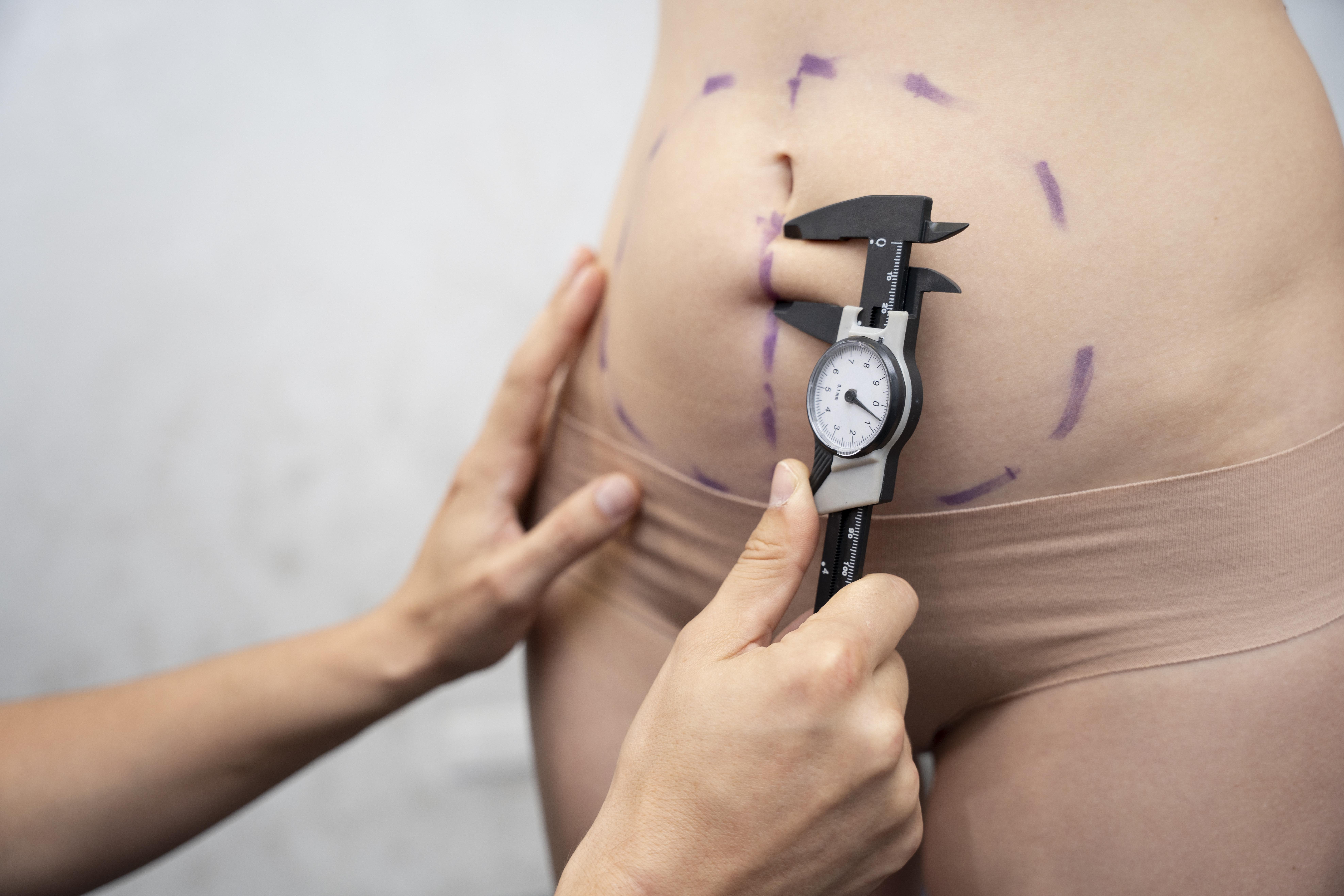
Chronic Wound Treatment in Nashik for Wound Healing
A wound usually passes through different stages as the body repairs damaged tissue. When healing does not progress as expected and a wound remains open for a prolonged period, it may be considered a chronic wound. Such wounds can occur for different reasons, including diabetes, circulation problems, repeated pressure, infection, nutritional deficiencies, or other underlying health conditions.
Chronic wound treatment in Nashik begins with identifying why the wound is taking longer to heal. Dr. Dayanand L.M. can assess the wound, examine the surrounding tissue, and consider factors that may be affecting the healing process.
What Is a Chronic Wound?
A chronic wound is an injury that does not progress through the normal healing process within the expected period. Instead of gradually becoming smaller and healthier, the wound may remain open, recur, or show limited improvement.
Chronic wounds can vary in size, depth, location, and appearance. Some may have discharge or damaged tissue, while others may appear relatively small but continue for a long time.
The important point is that the wound's underlying cause needs to be considered rather than focusing only on the visible opening in the skin.
Why Do Some Wounds Become Chronic?
Several factors can interfere with normal wound healing.
Diabetes
Diabetes can affect circulation, nerve sensation, immune response, and other processes involved in tissue repair. Elevated blood glucose may also influence how the body responds to injury.
Reduced Blood Circulation
Adequate blood flow is important for delivering oxygen and nutrients to damaged tissue. Circulation problems can therefore contribute to delayed healing.
Infection
An infection can interfere with the healing process and may cause increasing redness, warmth, swelling, pain, discharge, or other changes.
Repeated Pressure or Friction
Continued pressure on the same area can repeatedly irritate tissue and prevent a wound from progressing normally.
Poor Nutrition
Adequate protein, calories, vitamins, minerals, and hydration are relevant to tissue repair. Nutritional deficiencies may affect the body's ability to heal.
Other Health Conditions
Certain medical conditions, medications, reduced mobility, smoking, and other factors can also influence wound healing.
Signs of a Chronic Wound
A wound may require assessment when it:
- Remains open for an extended period
- Shows little improvement
- Repeatedly breaks down after appearing to heal
- Produces persistent discharge
- Develops surrounding redness or swelling
- Has changes in tissue appearance
- Becomes deeper or larger
- Causes ongoing discomfort
- Develops an unusual odour
Not every chronic wound looks the same, so assessment is important to understand its condition.
How Is a Chronic Wound Evaluated?
A detailed wound assessment can help identify factors that may be slowing the healing process.
The evaluation may include:
- Location of the wound
- Length, width, and depth
- Condition of the wound bed
- Surrounding skin
- Amount and type of discharge
- Signs of infection
- Blood circulation
- Swelling
- Pressure or friction affecting the area
- Medical history
- Diabetes and blood glucose status when relevant
- Nutritional and lifestyle factors
Additional evaluation may be recommended when the clinical findings indicate a need for it.
Importance of Identifying the Underlying Cause
A chronic wound may continue to remain open if the factor causing repeated tissue damage is not addressed.
For example, a wound affected by continued pressure may not improve if the pressure continues. Similarly, a wound associated with circulation problems may require assessment of blood flow.
Therefore, chronic wound care involves more than applying a dressing. Understanding the reason for delayed healing is an important part of the overall management process.
Wound Care and Dressing
The wound may require cleaning and protection according to its condition. Dressing selection can depend on factors such as wound depth, tissue condition, discharge, and surrounding skin.
A dressing that is appropriate for one wound may not be suitable for another. The wound may also require reassessment at different stages of healing.
Regular monitoring helps identify changes in wound size, tissue appearance, discharge, and surrounding skin.
Frequently Asked Questions
Chronic Wound Care in Nashik
A wound that does not heal as expected may have one or more underlying factors affecting its progress. Assessing the wound and addressing these factors can help guide appropriate care.
For individuals looking for chronic wound treatment in Nashik, Dr. Dayanand L.M. can assess the wound condition, consider factors affecting healing, and advise on an appropriate management and follow-up approach.