Leg Ulcer Treatment in Nashik
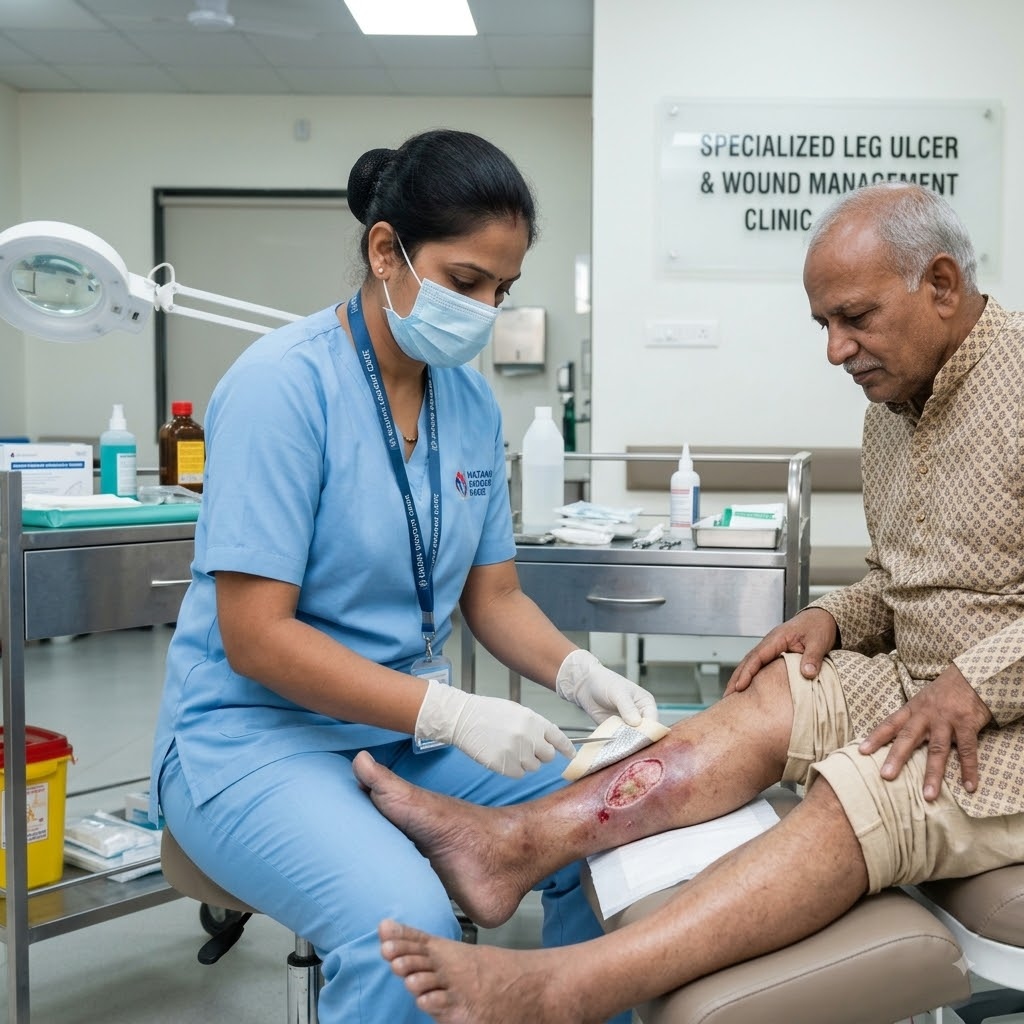
Leg Ulcer Treatment in Nashik for Wound Management
A leg ulcer is an open wound that develops on the lower leg and does not heal within the expected period. It can result from problems affecting blood circulation, swelling, pressure, injury, infection, or other underlying health conditions. Early assessment can help identify factors that may be interfering with normal healing.
Leg ulcer treatment in Nashik focuses on understanding the cause of the ulcer, assessing the wound and surrounding skin, and selecting appropriate wound-care measures. Dr. Dayanand L.M. can evaluate the ulcer and advise on care and follow-up according to the wound's condition.
What Is a Leg Ulcer?
A leg ulcer is a break in the skin that remains open and takes longer than expected to heal. It commonly develops around the lower leg or ankle but can occur in other areas of the leg.
Leg ulcers can differ in size, depth, appearance, and cause. Some may have discharge, swelling, skin discolouration, or changes in the surrounding skin.
What Can Cause a Leg Ulcer?
Several factors can contribute to the development of a leg ulcer.
Venous Circulation Problems
When blood does not return efficiently from the legs to the heart, fluid can accumulate in the lower limbs. Long-term venous problems can contribute to skin changes and ulcer formation.
Arterial Circulation Problems
Reduced arterial blood flow can limit the supply of oxygen and nutrients to tissues, which may affect wound healing.
Swelling
Persistent swelling of the lower leg can affect skin condition and may contribute to delayed wound healing.
Injury
A cut, scratch, or other injury can develop into an ulcer when the wound does not heal normally.
Diabetes
Diabetes may affect sensation, circulation, and the body's healing response, potentially contributing to wounds that are slow to heal.
Infection
An infection can interfere with the normal healing process and may cause changes in the wound and surrounding skin.
Signs of a Leg Ulcer
A leg ulcer may present with:
- An open area on the leg
- Skin discolouration
- Swelling around the ankle or lower leg
- Discharge
- Changes in skin texture
- Redness or warmth
- Pain or tenderness
- Slow wound healing
- Changes in the surrounding skin
The appearance and symptoms can vary depending on the underlying cause.
How Is a Leg Ulcer Assessed?
A proper assessment helps identify the condition of the ulcer and possible reasons for delayed healing.
The evaluation may include:
- Location of the ulcer
- Length, width, and depth
- Wound-bed condition
- Surrounding skin
- Swelling
- Type and amount of discharge
- Signs of infection
- Blood circulation
- Sensation
- Medical history
- Diabetes and other relevant health conditions
Additional tests may be recommended when clinically appropriate to understand circulation or other underlying factors.
Wound Dressing and Skin Care
Dressing requirements depend on factors such as wound depth, discharge, tissue condition, and surrounding skin.
Regular wound assessment helps determine whether the current dressing remains suitable. The surrounding skin should also be protected from excessive moisture, friction, and further injury.
Wound care should be based on the condition of the ulcer rather than using the same dressing for every wound.
Managing Swelling
Swelling in the lower leg can occur for several reasons and may influence skin health and wound healing.
The appropriate approach to swelling depends on its cause. Compression or other measures should not be started without appropriate assessment, particularly when arterial circulation problems may be present.
Leg Ulcers and Diabetes
Diabetes can affect nerve sensation, circulation, and tissue repair. A wound may therefore remain unnoticed or take longer to heal.
People with diabetes should regularly inspect their feet and lower legs for cuts, blisters, skin changes, or open areas.
Blood glucose management should be continued according to the individual's medical advice.
Follow-Up and Monitoring
Leg ulcers may require regular monitoring because wound size, tissue condition, discharge, swelling, and surrounding skin can change during healing.
Dr. Dayanand L.M. can assess the ulcer during follow-up and review factors that may be affecting its progress. The wound-care approach can be modified when clinically required.
Frequently Asked Questions
Leg Ulcer Care in Nashik
A leg ulcer can have different underlying causes, so treatment should be based on the condition of the wound and the factors affecting healing. Wound assessment, appropriate dressing, circulation evaluation, infection monitoring, and regular follow-up can form part of the management process.
For individuals seeking leg ulcer treatment in Nashik, Dr. Dayanand L.M. can assess the ulcer and advise on an appropriate care and follow-up plan based on its clinical condition.