Foot Ulcer Treatment in Nashik
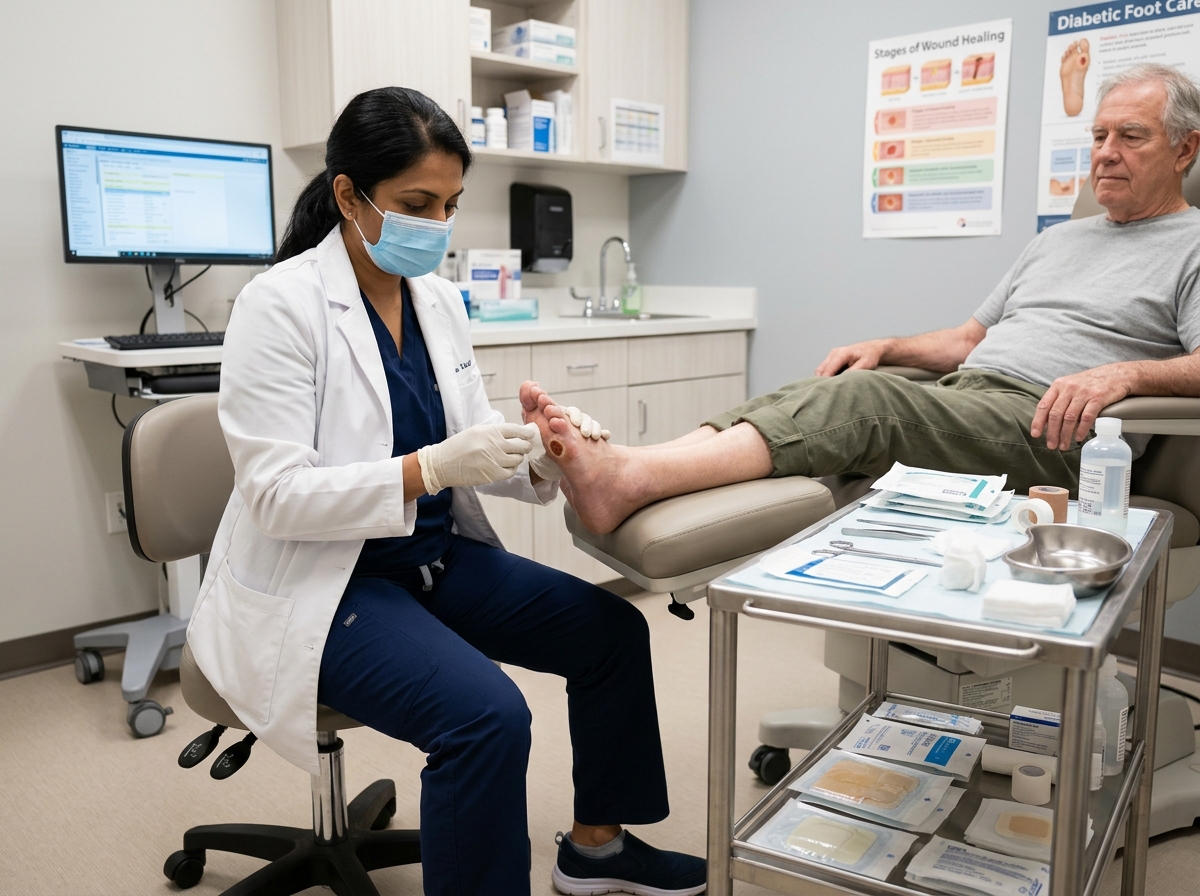
Foot Ulcer Treatment in Nashik for Foot Wound Management
A foot ulcer is an open wound that can develop on the foot when the skin and underlying tissue are damaged. It may develop due to repeated pressure, friction, injury, reduced sensation, circulation problems, or certain health conditions. Some ulcers may begin as a small area of damaged skin but can become more difficult to manage if the underlying cause is not addressed.
Foot ulcer treatment in Nashik starts with understanding the reason the ulcer developed and assessing its size, depth, location, and surrounding tissue. Dr. Dayanand L.M. can evaluate the condition of the foot ulcer and advise on an appropriate care approach based on the individual wound and overall health.
What Is a Foot Ulcer?
A foot ulcer is a break in the skin that remains open instead of healing normally. It can develop on different parts of the foot, including the toes, sole, heel, or areas exposed to repeated pressure.
Some ulcers are shallow, while others may extend deeper into the underlying tissue. The appearance of an ulcer can also change during the healing process.
Common features may include:
- An open area on the foot
- Redness around the affected area
- Swelling
- Skin thickening near a pressure point
- Discharge
- Changes in skin colour
- Tenderness or discomfort
- Slow or limited healing
Not every ulcer causes significant pain. Reduced sensation can sometimes make an injury less noticeable.
What Can Cause a Foot Ulcer?
Foot ulcers can develop for different reasons. Identifying the cause is an important part of managing the wound.
Repeated Pressure
Continuous pressure from walking, standing, footwear, or the way weight is distributed across the foot can damage the skin.
Friction
Repeated rubbing from footwear can cause blisters, skin breakdown, or irritation that may progress into an open wound.
Minor Injury
Cuts, punctures, burns, or other injuries can damage the skin and lead to an ulcer, particularly when healing is delayed.
Reduced Sensation
Certain conditions can affect nerve sensation in the feet. When a person cannot feel pressure or injury normally, a wound may remain unnoticed.
Circulation Problems
Adequate blood flow supports tissue repair. Reduced circulation may contribute to delayed healing in some foot ulcers.
Other Health Factors
Diabetes, infection, nutritional deficiencies, smoking, reduced mobility, and other medical conditions may influence the development or healing of an ulcer.
Signs That a Foot Ulcer Needs Attention
A foot ulcer should be monitored for changes. Signs that may require medical assessment include:
- Increase in wound size
- Increasing redness
- Swelling around the wound
- New or increased discharge
- Unpleasant odour
- Change in skin colour
- Increasing warmth
- Wound becoming deeper
- Persistent or increasing discomfort
- Lack of improvement over time
A painless wound should not automatically be considered minor, particularly when sensation is reduced.
Assessment of a Foot Ulcer
A detailed examination helps determine the condition of the ulcer and factors that may affect healing.
The assessment may include:
- Location of the ulcer
- Length and width
- Depth of the wound
- Appearance of the wound bed
- Condition of surrounding skin
- Amount and type of discharge
- Signs of infection
- Foot sensation
- Blood circulation
- Pressure points
- Footwear and walking-related factors
- Relevant medical history
Further evaluation may be recommended when required based on the clinical findings.
Wound Care During Healing
A foot ulcer may require regular wound care depending on its condition. Cleaning and dressing requirements can vary according to wound depth, discharge, tissue condition, and surrounding skin.
The dressing approach may change as the wound progresses. Regular assessment allows changes in the wound to be identified and the care plan to be adjusted when necessary.
Using household remedies or unsuitable products without understanding the wound condition may cause irritation or delay appropriate medical care.
Follow-Up and Monitoring
Foot ulcer healing can take time and may not progress at the same rate for everyone. Follow-up allows changes in wound size, depth, tissue condition, discharge, and surrounding skin to be monitored.
Dr. Dayanand L.M. can assess the wound during clinical evaluation and review factors that may be influencing healing. The care plan can then be adjusted according to the wound's progress.
Frequently Asked Questions
Foot Ulcer Care in Nashik
A foot ulcer can have different causes, and appropriate management depends on identifying the factors affecting the wound. Assessment, wound care, protection from repeated pressure, and regular monitoring can help guide the healing process.
For individuals seeking foot ulcer treatment in Nashik, Dr. Dayanand L.M. can evaluate the ulcer and advise on an appropriate management and follow-up plan based on its condition.