Diabetic Foot Ulcer Treatment in Nashik
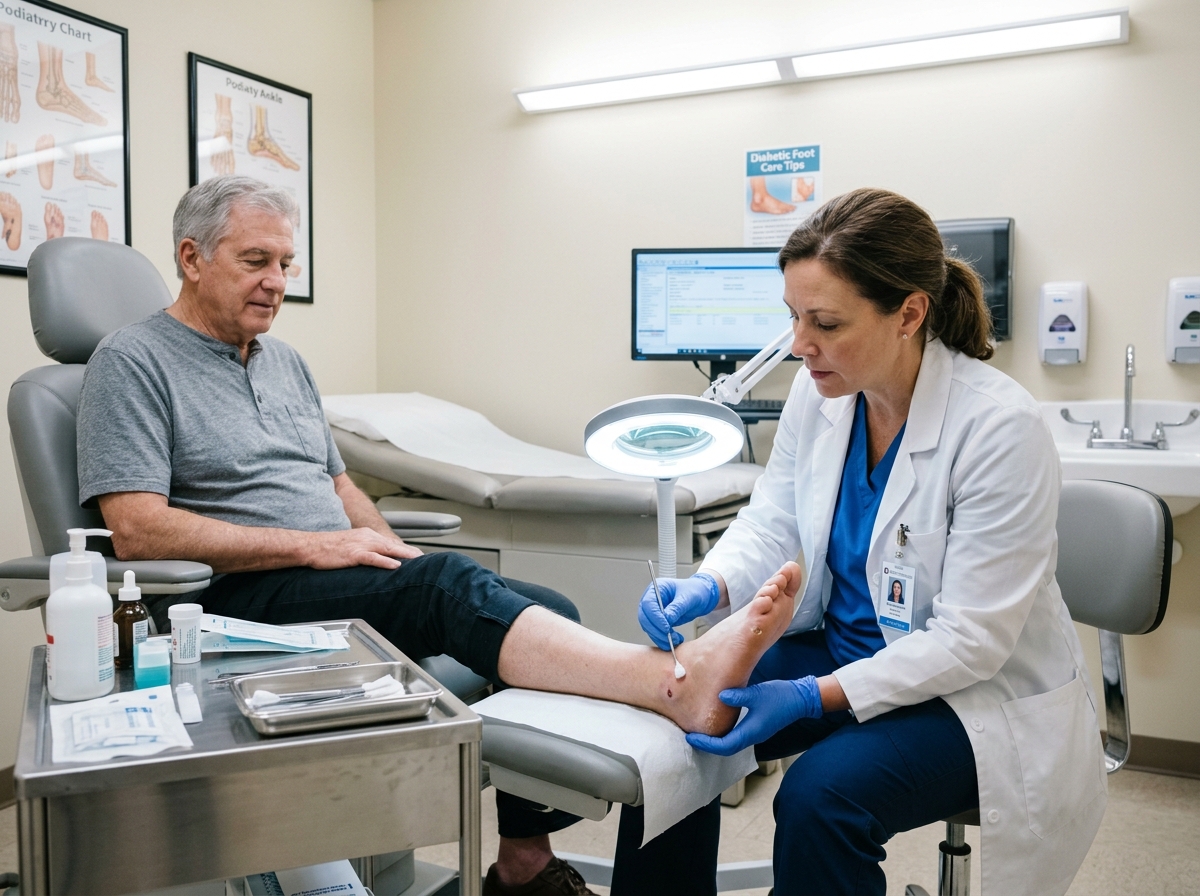
Diabetic Foot Ulcer Treatment in Nashik for Foot Wounds
A foot ulcer is an open area of damaged skin that can develop when repeated pressure, friction, injury, reduced sensation, or other foot-related problems affect the tissues. In people with diabetes, changes in nerve function and blood circulation can make these wounds harder to notice and slower to heal.
A small blister or cut may gradually become a larger wound when the affected area continues to experience pressure. Early examination can help determine the condition of the ulcer and the factors that may be interfering with healing.
Diabetic foot ulcer treatment in Nashik is planned according to the ulcer's location, size, depth, surrounding skin, circulation, sensation, and signs of infection. The person's diabetes management and general health may also be considered.
What Is a Diabetic Foot Ulcer?
A diabetic foot ulcer is an open wound that develops on the foot of a person with diabetes. It can occur on the toes, sole, heel, or other areas exposed to pressure or friction.
Reduced sensation may make an injury difficult to notice. Continued walking, unsuitable footwear, or repeated pressure can then aggravate the affected area.
An ulcer may appear as:
- A break in the skin
- A shallow or deep open wound
- A red or swollen area
- A wound with discharge
- Thickened skin around a pressure point
- A wound that is slow to heal
The appearance of an ulcer can change as the condition progresses, which is why regular observation is important.
Common Causes and Risk Factors
Several factors may contribute to the development of a foot ulcer in a person with diabetes.
Reduced Sensation
Diabetes-related nerve changes can reduce the ability to feel pain, pressure, heat, or minor trauma. As a result, a small injury may remain unnoticed.
Repeated Pressure and Friction
Walking, standing, tight footwear, or repeated pressure on the same area can damage the skin and underlying tissues.
Poor Circulation
Changes in blood flow can affect the supply of oxygen and nutrients to the tissues, which may influence the healing process.
Minor Foot Injuries
Cuts, blisters, cracks, burns, or other small injuries can become problematic when they are not noticed or protected.
Infection
An existing ulcer can become infected. Increasing redness, warmth, swelling, discharge, or other changes may require prompt assessment.
Signs That May Indicate an Ulcer
A diabetic foot ulcer can present differently depending on its location and severity. Possible signs include:
- An open area on the foot
- Redness around the wound
- Swelling
- Skin colour changes
- Discharge
- Unusual smell
- Increased warmth
- Thickened skin around a pressure area
- Slow wound healing
- Reduced sensation
Pain may not always be present. Reduced feeling in an affected area may hide the presence of a wound even when damage is worsening.
How Is a Foot Ulcer Assessed?
Assessment helps identify the condition of the ulcer and possible factors affecting healing.
The examination may consider:
- Location and size of the ulcer
- Depth of the wound
- Condition of surrounding skin
- Presence of discharge
- Signs of infection
- Foot sensation
- Blood circulation
- Pressure points
- Foot structure and footwear
- Previous history of foot problems
- Medical conditions that may affect healing
Further investigations may be considered when required based on the clinical findings.
Why Pressure Management Matters
Continued pressure can interfere with the healing of an ulcer. Pressure may come from walking, standing, footwear, or the way weight is distributed across the foot.
Reducing stress on the affected area can help protect the wound from further injury. The appropriate method depends on the location and condition of the ulcer and the person's mobility.
Wound Care During Healing
Keeping an ulcer appropriately protected is an important part of wound management. Dressing requirements can vary according to wound depth, discharge, tissue condition, and other findings.
Regular assessment allows changes in the wound to be identified and the care approach to be adjusted when necessary.
Using unsuitable household remedies or applying products without knowing the condition of the wound may delay appropriate assessment.
Diabetes and Foot Ulcer Healing
Diabetes management is relevant to overall wound healing. Persistently elevated blood glucose can affect different aspects of the body's response to injury.
People with diabetes should continue following the treatment, medication, diet, and monitoring advice provided by their healthcare professional while the ulcer is being managed.
Frequently Asked Questions
Diabetic Foot Ulcer Care in Nashik
A diabetic foot ulcer needs attention to both the wound and the factors that may have contributed to its development. Early assessment, suitable wound care, pressure management, and regular monitoring can help guide the management process.
For individuals looking for diabetic foot ulcer treatment in Nashik, the appropriate approach depends on the findings of a clinical examination and the person's individual health requirements. Dr. Dayanand L.M. can assess the condition and advise on the appropriate course of care.