Wound Dressing Treatment in Nashik
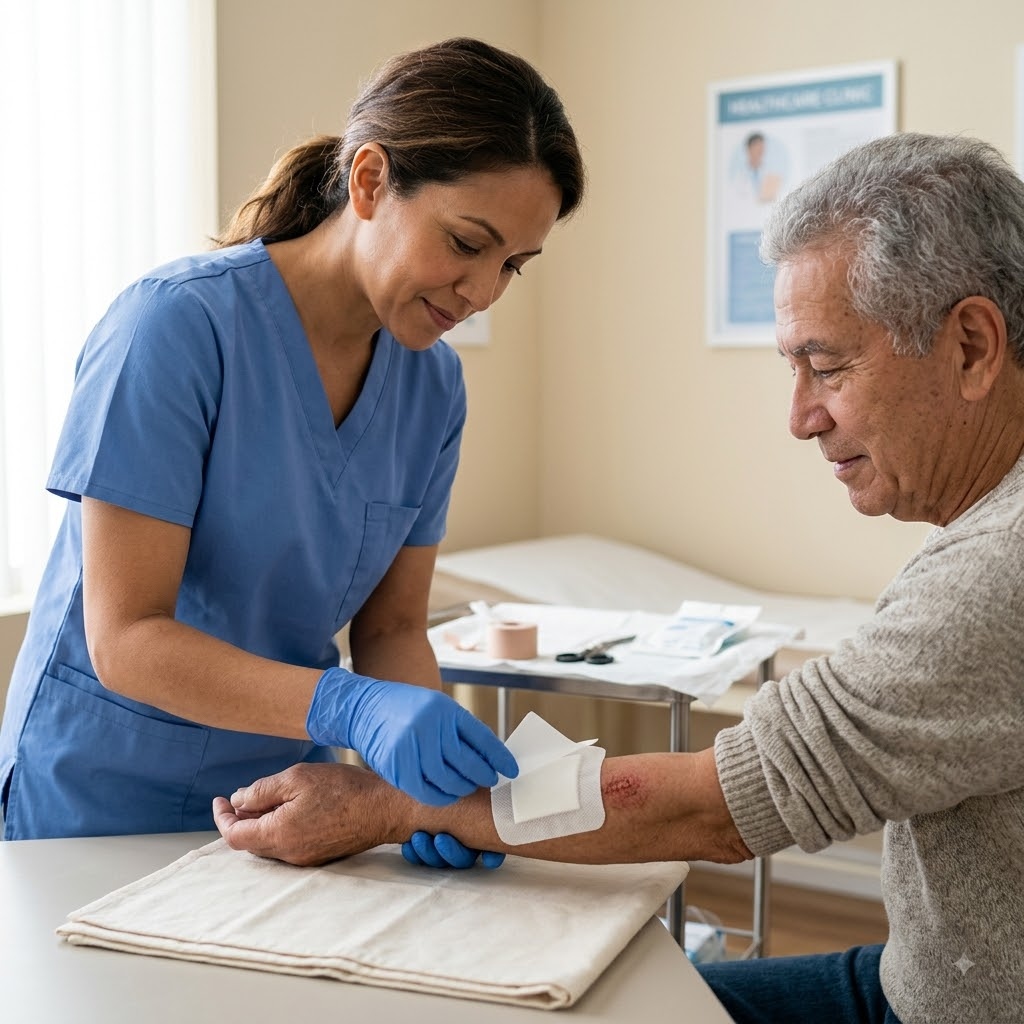
Wound Dressing Treatment in Nashik for Healing Wounds
Wound dressing is an important part of caring for an open or healing wound. A suitable dressing can help protect the affected area from external contamination, manage wound fluid, and support an appropriate environment for healing. The dressing required can differ depending on the wound's size, depth, location, tissue condition, and stage of healing.
Wound dressing treatment in Nashik involves assessing the wound before selecting an appropriate care approach. Dr. Dayanand L.M. can evaluate the condition of the wound and determine the type of dressing and follow-up that may be appropriate based on the individual situation.
What Is Wound Dressing?
Wound dressing refers to covering and protecting a wound using an appropriate material after the wound has been assessed and, when required, cleaned.
The purpose of dressing may include:
- Protecting the wound from external contamination
- Managing wound discharge
- Maintaining a suitable moisture balance
- Protecting newly formed tissue
- Reducing friction and irritation
- Supporting the natural healing process
Not every wound requires the same dressing. The choice depends on the characteristics of the wound and the person's overall health.
Why Is Proper Wound Care Important?
An open wound can be affected by friction, pressure, moisture, bacteria, and repeated injury. In some situations, improper care can delay healing or cause additional irritation.
Wound care should therefore focus not only on covering the wound but also on understanding why it developed and whether any factors are affecting healing.
Conditions such as diabetes, poor circulation, reduced sensation, infection, repeated pressure, or certain medical conditions can influence wound recovery.
Types of Wounds That May Require Dressing
Wound dressing may be used as part of care for different types of wounds, including:
- Cuts and lacerations
- Minor traumatic wounds
- Surgical wounds
- Skin injuries
- Burns after appropriate assessment
- Pressure-related wounds
- Foot wounds
- Wounds with discharge
- Slow-healing wounds
The dressing approach depends on the individual wound rather than simply its name or location.
How Is a Wound Assessed?
Before applying a dressing, the wound may be examined to understand its condition.
The assessment can include:
Wound Size and Depth
The length, width, and depth of the wound can provide information about the extent of tissue involvement and help with monitoring changes over time.
Wound Bed
The appearance of the tissue within the wound can be considered when deciding on appropriate wound care.
Surrounding Skin
Redness, swelling, irritation, skin breakdown, or changes in colour around the wound may provide useful information.
Wound Discharge
The amount, colour, consistency, and odour of discharge may be assessed as part of the overall wound examination.
Signs of Infection
Increasing redness, warmth, swelling, pain, discharge, or fever may require further medical evaluation.
Wound Dressing Treatment Approach
Wound dressing treatment in Nashik is not limited to placing a dressing over an injury. The wound may first need assessment and cleaning, followed by selection of a suitable dressing according to its condition.
Depending on the wound, care may involve:
- Cleaning the affected area
- Removing loose or contaminated material when clinically appropriate
- Applying a suitable dressing
- Protecting the surrounding skin
- Reducing pressure or friction
- Monitoring changes during follow-up
- Addressing underlying factors that may delay healing
The dressing may be changed according to the wound condition and the care plan recommended by the healthcare professional.
Wound Care for People With Diabetes
People with diabetes may need additional attention when caring for wounds. Changes in sensation can make injuries less noticeable, while circulation changes may affect healing.
A small wound should therefore be monitored carefully. Blood glucose management should also continue according to the individual's medical advice.
Regular examination can help identify changes such as increasing redness, swelling, discharge, skin colour changes, or delayed healing.
Follow-Up and Wound Monitoring
Wound healing is a gradual process, and its appearance can change over time. Follow-up allows the wound to be reassessed and the dressing approach to be modified when necessary.
During follow-up, changes in wound size, tissue condition, discharge, surrounding skin, and other relevant findings may be reviewed.
Dr. Dayanand L.M. can assess the wound condition during clinical evaluation and advise on appropriate wound-care measures based on the findings.
Frequently Asked Questions
Wound Dressing Care in Nashik
Appropriate wound dressing starts with understanding the condition and cause of the wound. The dressing material, frequency of changes, and follow-up requirements can vary from one wound to another.
For individuals seeking wound dressing treatment in Nashik, clinical assessment can help determine the appropriate wound-care approach. Dr. Dayanand L.M. can evaluate the wound and guide care according to its condition and healing progress.