Pressure Sore Treatment in Nashik
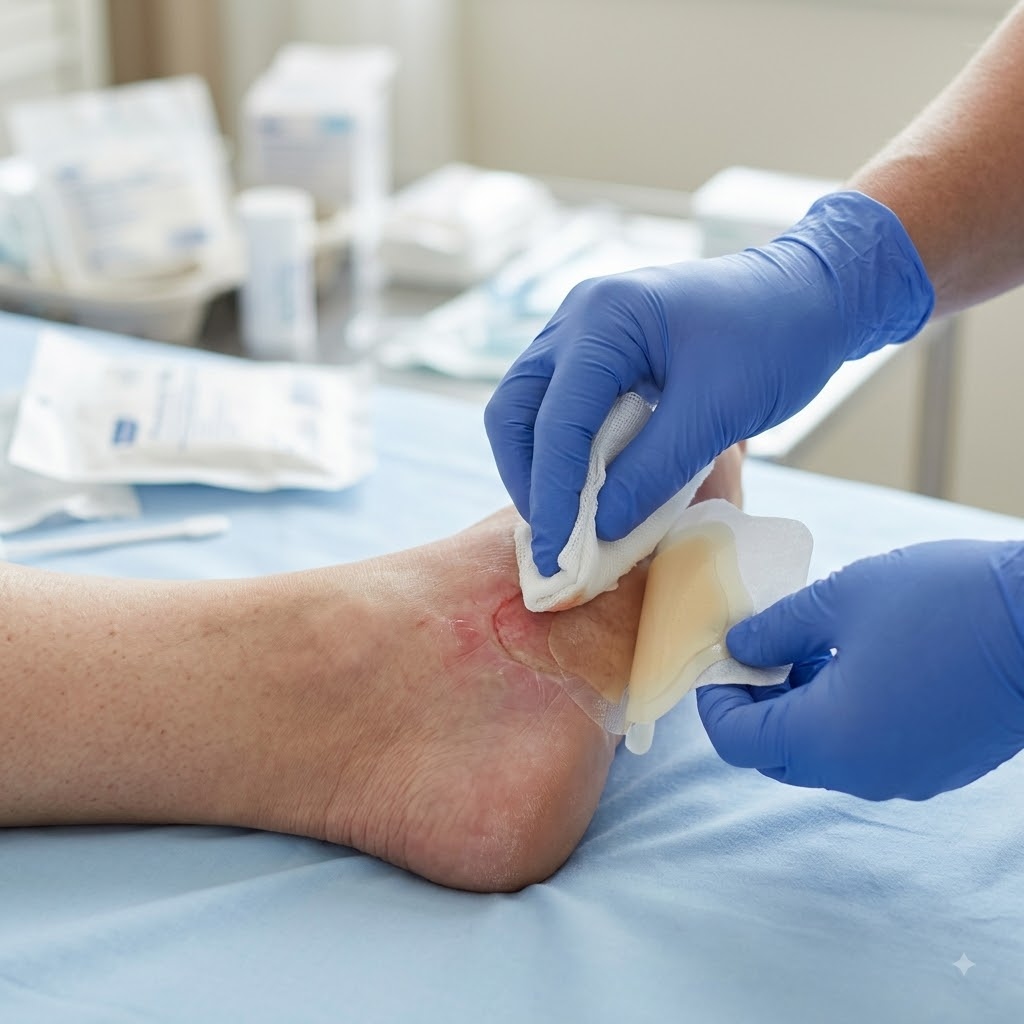
Pressure Sore Treatment in Nashik for Skin and Wound Care
A pressure sore is an area of skin and tissue damage that can develop when continuous pressure is placed on the same part of the body for an extended period. It is more commonly seen in people with limited mobility, prolonged bed rest, wheelchair use, or difficulty changing their position independently.
Pressure sore treatment in Nashik begins with evaluating the affected area, identifying the severity of the injury, and understanding factors that may be contributing to continued pressure or delayed healing. Dr. Dayanand L.M. can assess the condition and advise on an appropriate wound-care approach based on the individual's needs.
What Is a Pressure Sore?
A pressure sore develops when prolonged pressure affects blood flow to the skin and underlying tissues. Areas close to bones are particularly vulnerable because there is less soft tissue available to distribute pressure.
A pressure sore may initially appear as a change in skin colour or texture. Continued pressure can lead to blistering, skin breakdown, or a deeper wound.
Common areas include:
- Heels
- Hips
- Tailbone
- Ankles
- Elbows
- Shoulder blades
- Back of the head
- Other areas exposed to prolonged pressure
Who Is More Likely to Develop Pressure Sores?
The risk can be higher in people who:
- Remain in bed for long periods
- Have restricted movement
- Use a wheelchair
- Need assistance with repositioning
- Have reduced sensation
- Have poor nutritional intake
- Have moisture-related skin problems
- Have circulation-related concerns
- Have previously developed pressure injuries
Regular examination of vulnerable areas can help identify early skin changes.
Signs of a Pressure Sore
The appearance of a pressure injury can vary according to its stage and depth. Possible signs include:
- Persistent redness or skin discolouration
- Warmth or swelling
- Tenderness
- Changes in skin texture
- Blister formation
- Open skin
- Discharge
- Darkened tissue
- Increasing wound size
- Unpleasant odour
Reduced sensation may make some pressure injuries less noticeable.
How Is a Pressure Sore Assessed?
Assessment helps determine the extent of tissue damage and factors that may be affecting healing.
The evaluation may consider:
- Location of the sore
- Size and depth
- Condition of the wound
- Surrounding skin
- Discharge
- Signs of infection
- Mobility and positioning
- Pressure points
- Nutritional status
- Existing medical conditions
- Skin moisture and friction
Additional investigations may be considered when clinically required.
Importance of Pressure Relief
Continued pressure can interfere with tissue recovery. Reducing pressure on the affected area is therefore an important part of pressure sore care.
Depending on mobility and physical condition, pressure reduction may involve:
- Changing position at regular intervals
- Using suitable support surfaces
- Avoiding direct pressure on the wound
- Using appropriate cushions
- Protecting vulnerable areas during movement
The repositioning schedule should be adapted to the individual's condition.
Nutrition and Pressure Sore Healing
Nutrition can play a role in tissue repair. People with pressure sores may need adequate protein, calories, fluids, vitamins, and minerals according to their individual nutritional requirements.
If there is poor appetite, significant weight loss, or difficulty maintaining adequate nutrition, professional dietary assessment may be considered.
Pressure Sores and Infection
An open pressure sore can become infected. Changes that may require medical evaluation include:
- Increasing redness
- Swelling
- Local warmth
- Increasing pain
- Pus or increased discharge
- Unpleasant odour
- Fever
- General weakness or feeling unwell
Follow-Up and Monitoring
Pressure sores can change in appearance and depth during the healing process. Regular follow-up allows the wound to be monitored for changes in size, tissue condition, discharge, surrounding skin, and signs of infection.
Dr. Dayanand L.M. can assess the pressure-related wound and review factors that may be affecting its healing. The care approach can be modified according to the wound's progress.
Frequently Asked Questions
Pressure Sore Care in Nashik
Managing a pressure sore involves addressing both the wound and the pressure or other factors contributing to it. Appropriate wound care, pressure reduction, skin protection, nutrition, and regular monitoring can form part of the overall management approach.
For individuals seeking pressure sore treatment in Nashik, Dr. Dayanand L.M. can assess the wound and advise on suitable care and follow-up based on its condition.