Diabetic Wound Specialist in Nashik
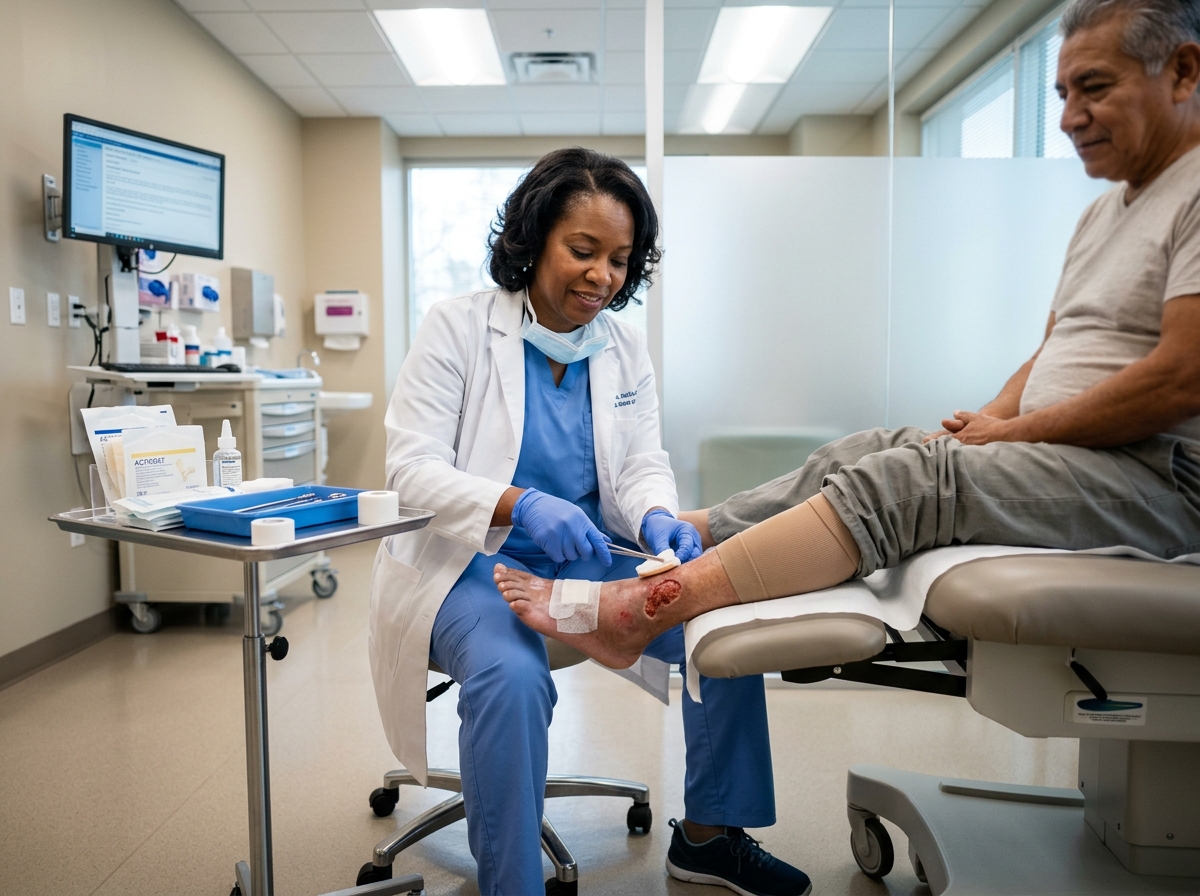
Diabetic Wound Specialist in Nashik for Wound Care
Diabetes can affect the way the body responds to an injury. Changes in sensation, circulation, blood glucose levels, and tissue health may cause some wounds to heal more slowly or remain unnoticed for longer. A minor cut, blister, pressure area, or skin injury can therefore require careful observation in a person with diabetes.
Diabetic wound specialist in Nashik services involve assessing the wound, identifying factors that may be affecting healing, and planning appropriate wound care according to the individual condition. Dr. Dayanand L.M. can evaluate diabetic wounds and advise on suitable care and follow-up based on the clinical findings.
What Is a Diabetic Wound?
A diabetic wound is an injury that occurs in a person with diabetes and may be affected by diabetes-related changes in sensation, circulation, or healing.
These wounds can develop following:
- Minor cuts or injuries
- Blisters
- Repeated friction
- Pressure from footwear
- Skin cracks
- Burns
- Previous foot problems
- Other causes of tissue damage
A wound may remain small initially but can become more difficult to manage when the underlying factors are not addressed.
Why Can Diabetes Affect Wound Healing?
Diabetes can influence several processes involved in normal wound healing.
Reduced Sensation
Nerve-related changes can affect how a person perceives pain, pressure, temperature, and small injuries. This can allow an injury to remain unnoticed.
Circulation Changes
Blood circulation plays an important role in supplying oxygen and nutrients to damaged tissue. Circulation-related problems can affect the healing process.
Blood Glucose Levels
Persistently elevated blood glucose can influence the body's response to injury and infection. Following an appropriate diabetes-management plan is therefore relevant during wound care.
Repeated Pressure
Continued pressure or friction can repeatedly irritate the same area and interfere with healing.
Common Signs of a Diabetic Wound
A diabetic wound may require assessment when there are changes such as:
- An open cut or sore
- Increasing redness
- Swelling
- Skin colour changes
- Discharge
- Unusual odour
- Increasing warmth
- Wound enlargement
- Delayed healing
- Reduced sensation around the affected area
Pain may not always be present. Reduced sensation can make some wounds difficult to notice.
Wound Dressing and Protection
A suitable dressing can protect an open wound and help manage wound fluid. Dressing selection depends on factors such as wound depth, discharge, tissue condition, and surrounding skin.
The same dressing is not appropriate for every wound. Regular assessment helps determine whether the existing dressing approach remains suitable as healing progresses.
Protecting the affected area from further pressure, friction, or injury is also important.
Managing Factors That Delay Healing
A wound may not improve as expected when an underlying factor continues to affect it. These factors can include:
- Repeated pressure
- Infection
- Reduced circulation
- Poor blood glucose control
- Reduced sensation
- Nutritional problems
- Smoking
- Limited mobility
- Repeated injury
Identifying these factors is an important part of diabetic wound management.
Preventing Diabetic Wounds
Regular foot and skin checks can help identify injuries at an early stage. Useful precautions include:
- Checking the feet and skin regularly
- Looking between the toes
- Keeping the skin clean and dry
- Wearing properly fitting footwear
- Avoiding walking barefoot
- Protecting the skin from excessive heat
- Avoiding unnecessary friction or pressure
- Managing diabetes according to medical advice
- Seeking assessment for new wounds
People with a previous history of wounds may require more regular monitoring depending on their individual risk factors.
Follow-Up and Monitoring
Diabetic wounds can change over time. Regular follow-up allows the wound's size, depth, tissue condition, discharge, surrounding skin, and other relevant factors to be reviewed.
Dr. Dayanand L.M. can assess the wound during clinical evaluation and review factors that may be influencing healing. The care approach can then be adjusted according to the wound's progress.
Frequently Asked Questions
Diabetic Wound Care in Nashik
Diabetic wounds can have different causes and may require attention to both the visible wound and the factors affecting healing. Early assessment, appropriate wound care, protection from repeated injury, and regular monitoring can help guide management.
For individuals seeking diabetic wound specialist in Nashik services, Dr. Dayanand L.M. can assess the wound condition and advise on an appropriate care and follow-up plan based on the clinical findings.